What v5 adds
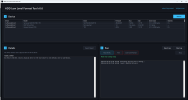
- Physical-drive inspection with Windows identity plus NVMe, ATA/SATA SMART, and USB SAT details where the current Windows path exposes them
- Read Verify: host-side full-device sequential raw reads with progress, elapsed time, ETA, and logging
- Low-Level Format: destructive whole-device zero-write path with explicit double-confirmation, stop support, and post-operation device refresh
- Trim: destructive whole-device discard / TRIM workflow, equivalent in intent to Linux blkdiscard
- Detailed operation logs, exportable inspection details, startup diagnostics
Supported interfaces and media:
- NVMe, SATA, IDE (E-IDE), SCSI, SAS, USB, FIREWIRE
- USB and FIREWIRE external drive enclosures are supported when Windows exposes them as physical drives
- SSD and HDD devices from Western Digital, Seagate, Toshiba, Samsung, Hitachi, Fujitsu, IBM, Quantum, Kingston, Intel, OCZ, Maxtor, and almost any other supported media
- FLASH media through a card reader, including SD/MMC, MemoryStick, CompactFlash, SmartMedia, and XD
- Large drives (LBA-48) are supported
HDD Low Level Format Tool v5 works on the raw Windows physical-drive path (\\.\PhysicalDriveN) rather than on filesystem files alone. That means the tool can inspect or operate on the entire media layout, including partition tables, hidden areas, and the space between partitions.
The details pane is designed to preserve raw auditability. Windows identity, USB/PnP identity, and device-reported ATA/NVMe identity can differ, especially on bridges and external enclosures. The tool intentionally shows the available source data rather than collapsing everything into one simplified summary.